
Search engines have one clear job: show the best possible answer to users. On-page SEO helps your website prove that it deserves that top spot. It focuses on optimizing content, structure, and HTML elements so search engines and users understand your pages easily.
Think of on-page SEO as cleaning and organizing your store before inviting customers in. You can attract visitors with marketing, but if the shelves look messy, no one stays.
What Is On-Page SEO?
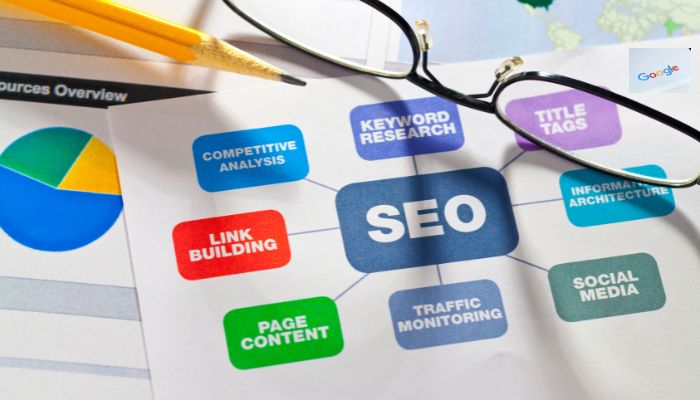
On-page SEO refers to all optimization actions you perform directly on your website. These actions help search engines understand your content and help users read, navigate, and trust your pages.
Google confirms through its Search Central documentation that well-structured, helpful, and relevant content improves visibility. On-page SEO creates that structure.
Simple logic: If users enjoy your page and understand it easily, search engines usually agree.
Why On-Page SEO Matters
Without proper on-page SEO, even strong websites struggle to rank. Search engines rely on page-level signals to decide relevance.
- Improves content clarity and relevance
- Boosts organic rankings
- Increases user engagement
- Supports long-term SEO stability

Keyword Research: The Starting Point
Every on-page SEO strategy starts with keyword research. Keywords reflect what users search for, not what website owners guess.
Google recommends creating content around search intent. That means understanding whether users want information, comparison, or action.
Good keyword usage feels natural. Forced repetition feels awkward. Search engines prefer the natural approach, just like humans.
Smart Keyword Placement
- Page title and meta description
- Main heading and subheadings
- First 100 words of content
- Image alt text (when relevant)
Title Tags and Meta Descriptions
Title tags help search engines understand page topics and help users decide whether to click. Google rewrites titles that feel misleading or stuffed.
Meta descriptions do not directly affect rankings, but they influence click-through rates. Clear and honest descriptions work best.
Content Quality and Readability
Google’s Helpful Content guidelines emphasize writing for people first. That means clear language, short paragraphs, and logical flow.
Readable content keeps users engaged. Engaged users send positive signals like longer dwell time and lower bounce rates.
Humor helps too. A light joke here and there makes content human. Search engines notice when users smile instead of leaving.
Header Tags and Content Structure
Header tags organize content like a table of contents. They guide users and search engines through your page.
- H1 for the main topic
- H2 for major sections
- H3 for supporting points
Logical structure improves accessibility and comprehension. Google supports this approach in its accessibility guidelines.
Internal Linking
Internal links help users discover related content and help search engines understand site structure.
Google confirms that internal linking distributes page authority and improves crawlability.
Use descriptive anchor text and link only where it makes sense. Forced links confuse users.
Image Optimization
Images enhance user experience, but they need optimization. Large images slow down pages and frustrate visitors.
- Use descriptive file names
- Add clear alt text
- Compress images properly

URL Structure
Clean URLs help users and search engines understand page content. Google recommends short, readable URLs.
A good URL looks trustworthy. A messy one raises eyebrows. Even the internet judges URLs.
Page Experience and Core Web Vitals
Google uses page experience signals to evaluate usability. Core Web Vitals focus on loading speed, interactivity, and visual stability.
Fast, stable pages create better user experiences. Better experiences usually lead to better rankings.
Common On-Page SEO Mistakes
- Keyword stuffing
- Thin or duplicate content
- Ignoring mobile optimization
- Misleading titles
Google’s algorithms detect these issues easily. Fixing basics often improves performance faster than chasing trends.
Trusted Guidelines Followed
This article aligns with official guidance from Google Search Central, Google Helpful Content documentation, and Search Quality Rater Guidelines.
No fake statistics. No shortcuts. Only proven, policy-aligned SEO practices.
Final Thoughts
On-page SEO is not about pleasing algorithms. It is about helping users find clear, useful answers.
When users enjoy your content, search engines usually follow. Optimize smartly, write honestly, and stay consistent.